Managing your finances can feel overwhelming, especially when you’re just starting out. You’re not alone in this feeling. However, a straightforward framework called the 50/30/20 rule can transform your financial chaos into clarity. This guide breaks down this powerful budgeting method to help you take control of your money and build a secure future.
What is the 50/30/20 Rule?
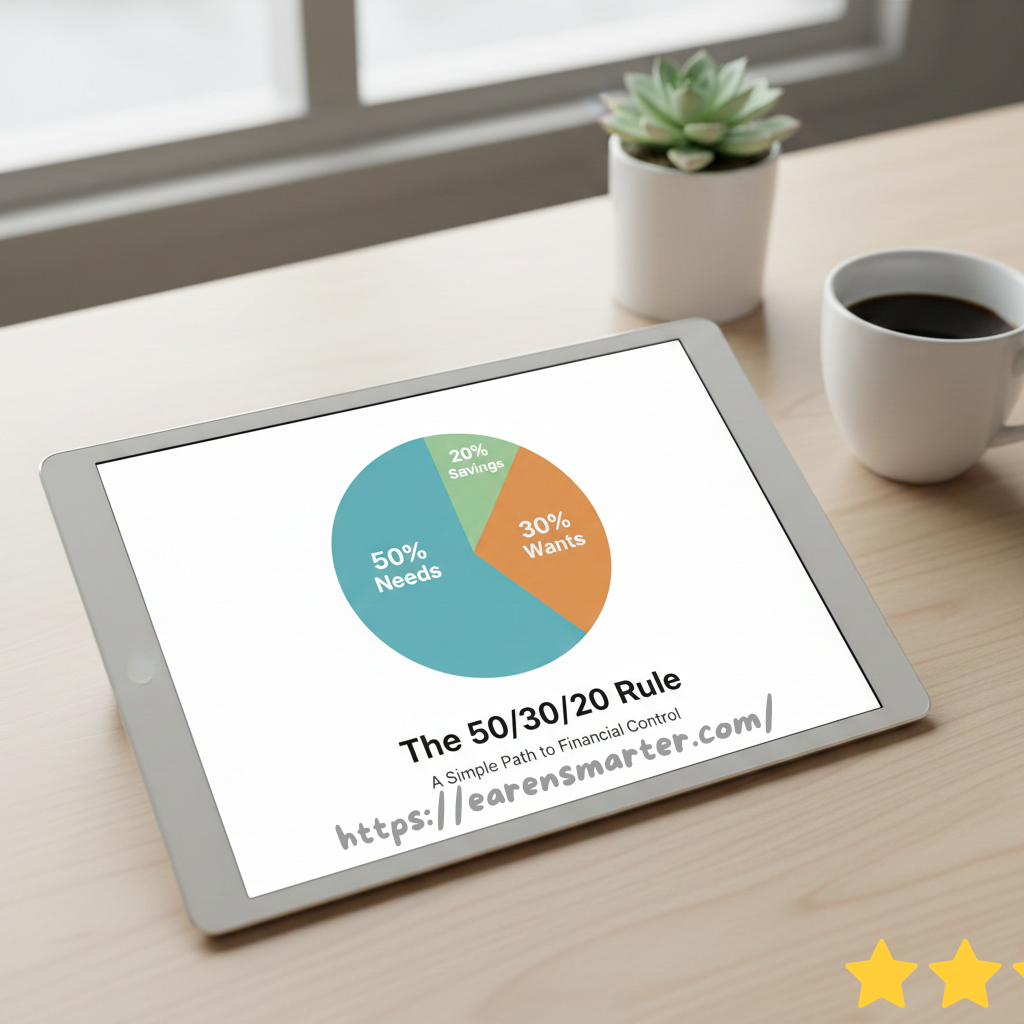
Imagine a budgeting system that doesn’t require you to track every single cent obsessively. That’s the beauty of the 50/30/20 rule. It’s a proportional budgeting method that divides your after-tax income into three simple categories:
- 50% for Needs: Essential expenses you can’t avoid.
- 30% for Wants: The fun stuff that makes life enjoyable.
- 20% for Savings & Debt Repayment: Your financial future.
This framework provides a clear snapshot of your financial health. For instance, if you consistently spend 60% on needs, you’ll immediately know you need to adjust your wants or savings. It’s a flexible guide that adapts to your life.
Breaking Down the Three Buckets
To make this rule work, you need to understand what goes into each category. Let’s dive deeper into each bucket.
### The 50%: Your Essential Needs
This half of your income is for the non-negotiables—the expenses required for survival and basic functioning. If you didn’t pay these, there would be significant consequences. Common examples include:
- Housing (Rent or Mortgage)
- Utilities (Electricity, Water, Internet)
- Groceries
- Transportation (Public transport fares, essential car payments)
- Minimum required insurance premiums
- Minimum loan payments
A key point of confusion is often groceries versus dining out. Basic groceries are a need; a restaurant meal is a want. Similarly, a monthly MRT pass is a need, while a premium taxi ride for convenience is a want.
### The 30%: Your Personal Wants
This is your lifestyle fund! The 30% category is for all the things that enhance your life but aren’t strictly essential. This includes:
- Dining out and entertainment
- Shopping for non-essential clothes or gadgets
- Hobbies and subscriptions (Streaming services, gym memberships)
- Travel and vacations
This category gives you the freedom to enjoy your money without guilt, as long as you stay within the 30% limit. It’s what prevents a budget from feeling restrictive.
### The 20%: Your Financial Future
This is the most powerful bucket for building long-term security. The 20% is earmarked for your future self and financial goals. This includes:
- Building an emergency fund (a crucial first step)
- Retirement savings
- Additional investments
- Paying down debt faster than the required minimum payment
By prioritizing this 20%, you’re not just saving; you’re building wealth. This consistent effort is a critical part of any step-by-step path to financial freedom, turning small habits into significant results.
Why the 50/30/20 Rule Works for Young Adults
Many young professionals struggle with money. High student loans, the temptation of lifestyle inflation after a pay raise, and the allure of credit card spending can derail financial goals. The 50/30/20 rule acts as a guardrail against these common pitfalls.
Firstly, it creates automatic awareness. By categorizing your spending, you instantly see if your “wants” are crowding out your “savings.” Furthermore, its simplicity is its strength. You don’t need complex spreadsheets to get started. As highlighted in a personal story from a young Singaporean, “Picking up the 50-30-20 rule helped me to balance my spending, save for the future and most importantly: put a retirement goal in sight.”
How to Implement the 50/30/20 Rule Today
Ready to take control? Follow these four steps to put this rule into action.
- Calculate Your Take-Home Income: Start with your net income after taxes and mandatory deductions like CPF. This is the number you’ll split.
- Track Your Current Spending: For one month, track every dollar you spend. Use a budgeting app or a simple spreadsheet to see where your money is actually going. Google offers excellent free tools like Sheets for this purpose.
- Categorize Your Expenses: Now, sort all your tracked expenses into the Needs, Wants, and Savings buckets. Be honest with yourself during this process.
- Adjust and Automate: Compare your current spending to the 50/30/20 targets. Where are you overspending? Make conscious adjustments. For those looking to accelerate their progress, understanding the top 10 rules to achieve financial independence faster can provide powerful complementary strategies.
Common Challenges and Smart Adjustments
Is the 50/30/20 rule perfect for everyone? Not always. You may need to tweak it. If you live in a city with a high cost of living, your “Needs” might temporarily exceed 50%. That’s okay. The rule is a guide. The solution is to reduce your “Wants” to compensate, protecting your crucial 20% savings goal.
Similarly, if you have high-interest debt, it may be wise to temporarily funnel more than 20% into debt repayment. The core principle is balance and intentionality, which is fundamental to achieving financial freedom and a life well-lived.
Your Financial Future Starts Now
The 50/30/20 rule is more than a budget; it’s a mindset shift towards intentional spending and empowered saving. It teaches you to fund your present needs and pleasures while securely building your future. Remember, it’s a flexible framework designed to serve you, not constrain you. The goal is to create sustainable habits that lead to long-term financial health.
For further reading on building a user-friendly website for your personal finance tracking, you can check out Google’s Search Central documentation.
Ready to transform your finances? Start by calculating your 50/30/20 split today and take the first step on your path to financial freedom.